
New tactical boots are stiffer than most everyday shoes, which is part of what makes them supportive and durable. That same stiffness causes blisters and sore feet if you wear them for long stretches before they soften up. Breaking them in properly takes a bit of patience, but it prevents the discomfort and damage that come from rushing the process.
Why Tactical Boots Need Breaking In
Tactical boots use thicker leather and firmer soles than trainers or casual shoes, since they need to protect your feet and hold up over rough terrain. That construction takes time to flex and mould to your foot shape. Wearing them straight out of the box for a full day is the most common cause of blisters and hot spots.
Start With Short Wear Sessions
Wear new boots around the house for an hour or two at a time for the first few days. This lets the leather start flexing at your natural pressure points without putting in enough hours to cause damage. Increase the wear time gradually over one to two weeks rather than jumping straight to a full day.
Wear the Right Socks From Day One
Thick, moisture wicking socks reduce friction and give your feet a bit of extra cushioning while the boots are still stiff. Cotton socks hold moisture and increase blister risk, so a wool or synthetic blend sock designed for boots works better during the break in period and afterwards.
Use Leather Conditioner on Full Grain Boots
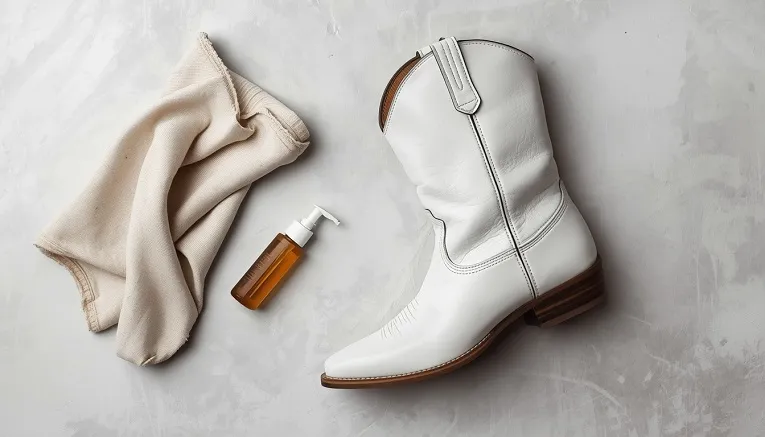
If your boots are full grain leather, a light application of leather conditioner softens the material and speeds up break in. Apply it sparingly and let it absorb fully before wearing the boots again. Synthetic or nylon panelled boots do not need this step, since there is no leather to condition.
Protect Common Blister Spots
Blister plasters or moleskin on the heel and the sides of the toes, applied before you notice any rubbing, prevent most blisters during the break in period. Applying them after a blister has already formed does far less good than applying them as a preventative step before a longer wear session.
Increase Activity Gradually
Once the boots feel comfortable for a few hours of walking, start adding more demanding activity such as longer walks, stairs, or light training. Save the most demanding use, such as a full hiking day or extended duty shift, for after at least one to two weeks of gradual wear. For more on what to check before buying a pair, see our guide to tactical footwear features.
Tactical Boots vs Hiking Boots
Tactical boots are built for durability, load bearing, and often a more rigid ankle support structure, which suits duty or training use. Hiking boots prioritise flexibility and weight savings for long distance walking. If most of your use is trail based rather than tactical training, a hiking boot may break in faster and feel more comfortable for that specific purpose.
Frequently Asked Questions
How long does it take to break in tactical boots?
Most people need one to two weeks of gradually increasing wear before the boots feel fully comfortable for extended use.
Can I speed up the break in process?
Leather conditioner on full grain boots, thick moisture wicking socks, and short wear sessions all help, but skipping the gradual wear period usually causes blisters rather than saving time.
Do all tactical boots need the same break in time?
No. Boots with more synthetic material and softer construction typically break in faster than full grain leather boots with stiffer soles.