
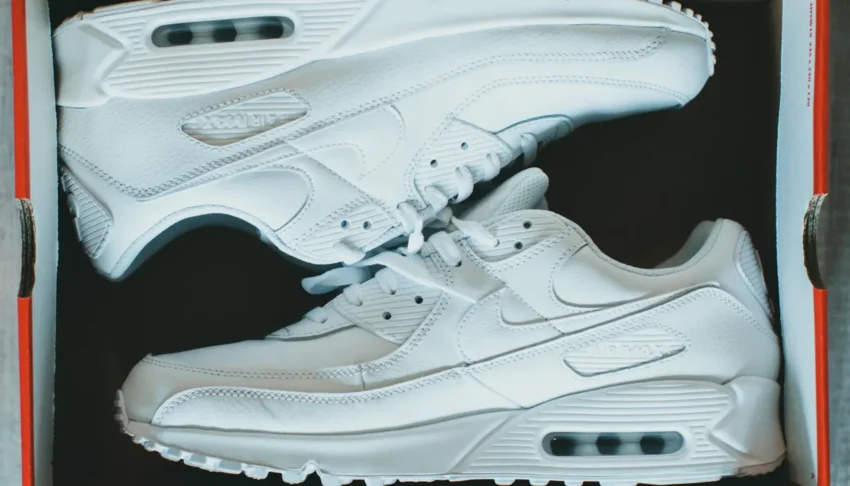
Yellow stains on white sneakers usually come from sweat, sun exposure, or oxidised material, and the right fix depends on what your sneakers are actually made of. Canvas, leather, and mesh each need a slightly different approach, and using the wrong one can make the yellowing worse instead of better.
Why White Sneakers Turn Yellow
Sweat and moisture break down materials over time, gradually shifting white to a dull yellow, particularly around areas that flex and trap heat. Sun exposure has a similar effect, since UV rays react with the fibres in canvas and the compounds in rubber soles. Oxidation, a natural chemical reaction with air, is the main cause of yellowed soles specifically, separate from general dirt or sweat staining.
Canvas Sneakers
Canvas handles the most aggressive cleaning of the three materials. A paste of baking soda and a little water, scrubbed in with an old toothbrush and left for fifteen to twenty minutes before rinsing, lifts most yellowing. For set-in stains, a mix of baking soda and hydrogen peroxide left for thirty minutes works well. Most canvas sneakers can also go through a gentle machine wash cycle, laces and insoles removed, inside a mesh bag.
Leather Sneakers
Leather needs a gentler approach than canvas, since harsh scrubbing or soaking can damage the finish. A mild soap and water solution, applied with a soft cloth in circular motions, handles most everyday yellowing. Avoid baking soda pastes and hydrogen peroxide on leather, since these are formulated for tougher, more absorbent materials and can dry out or discolour leather over repeated use. A dedicated leather cleaner is the safer choice for anything beyond light surface marks.
Mesh Sneakers
Mesh is delicate and traps dirt in its weave more than solid materials do. A soft brush and a diluted mild detergent solution, applied gently rather than scrubbed hard, avoids damaging the fine fibres. Mesh sneakers generally should not go through a washing machine, since the agitation can stretch or tear the material.
Yellowed Soles Specifically
Rubber soles that have oxidised respond well to a dedicated sole-whitening gel, applied evenly and covered with plastic wrap to stop it drying out too quickly. This treats the chemical yellowing directly, rather than just cleaning surface dirt, which is why general shoe cleaners often do not fully resolve yellowed soles on their own.
A Word of Caution on Bleach
A diluted bleach solution is sometimes suggested for stubborn yellow stains, but it is only reasonably safe on plain white canvas, and even then needs care and a short contact time. Bleach should never be used on leather or mesh sneakers, since it can weaken the material, cause discolouration, or damage any coloured logos or accents.
Preventing Yellowing Going Forward
Wiping sneakers down after each wear, rather than waiting for visible dirt to build up, is the single most effective habit for slowing yellowing. Drying shoes away from direct sunlight and heat also matters, since both accelerate the same reactions that cause the yellow tint in the first place. A protector spray suited to the specific material adds an extra layer of resistance before stains have a chance to set.
Frequently Asked Questions
Can you use bleach on white leather sneakers?
No. Bleach can weaken and discolour leather. Stick to mild soap and water or a dedicated leather cleaner instead.
Why do white sneaker soles turn yellow faster than the upper?
Rubber soles oxidise through a chemical reaction with air, which is a different process from the sweat and sun exposure that yellows the fabric upper.
Can yellowed sneakers be fully restored to white?
Often yes, especially canvas, though heavily oxidised soles or long-set stains may only partially lift even with repeated treatment.